- Sector :
- Farm Shop, Café, Nursery, Pick-Your-Own, Events & Online Retail
- Location:
- Great Missenden, Buckinghamshire
- Features:
- Cloud-based EPOS, retail and café workflows, product management, live reporting, seasonal trading support
- Results:
- A stronger operational platform, clearer visibility, simpler product management and better support for a varied, seasonal farm retail business
A Farm Shop With More Than One Story To Tell
ROOTED IN FARMING, BUILT AROUND EXPERIENCE
Peterley Manor Farm is a place people visit for many different reasons.
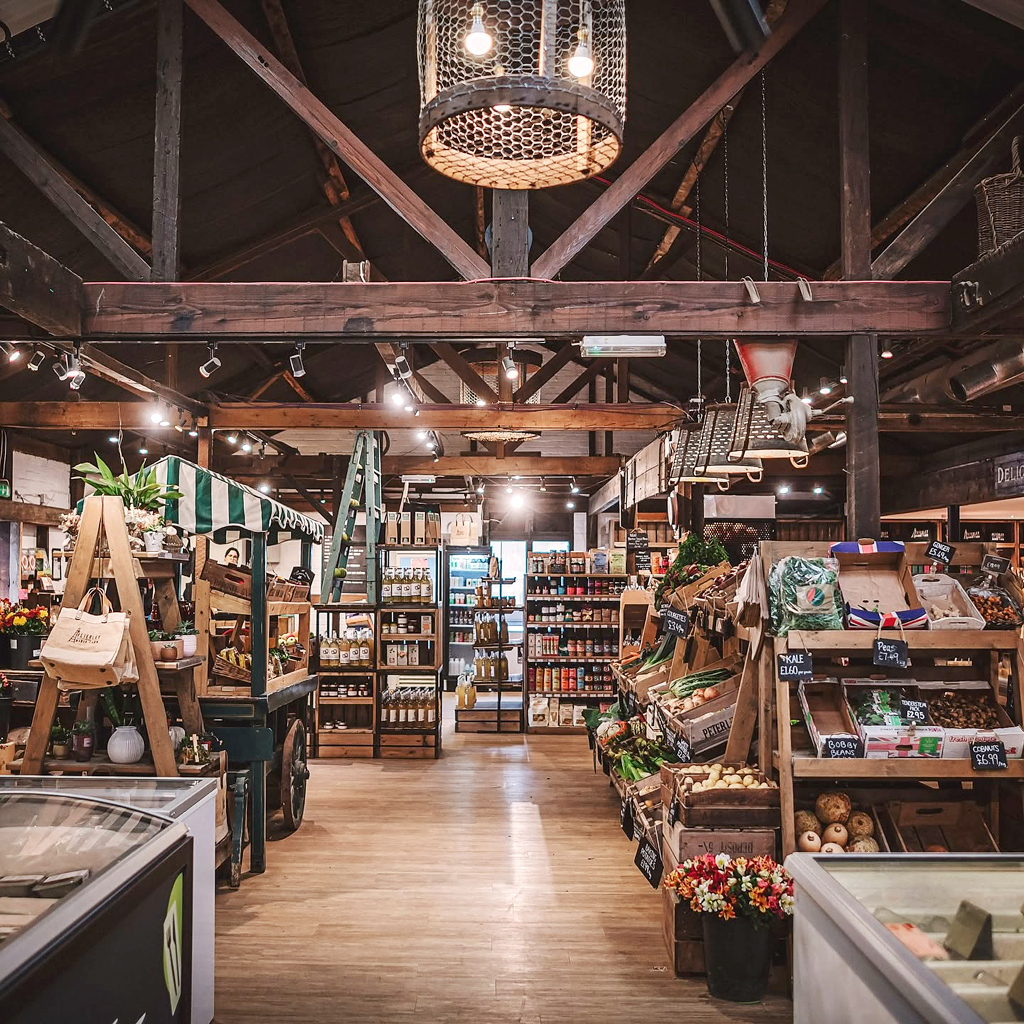
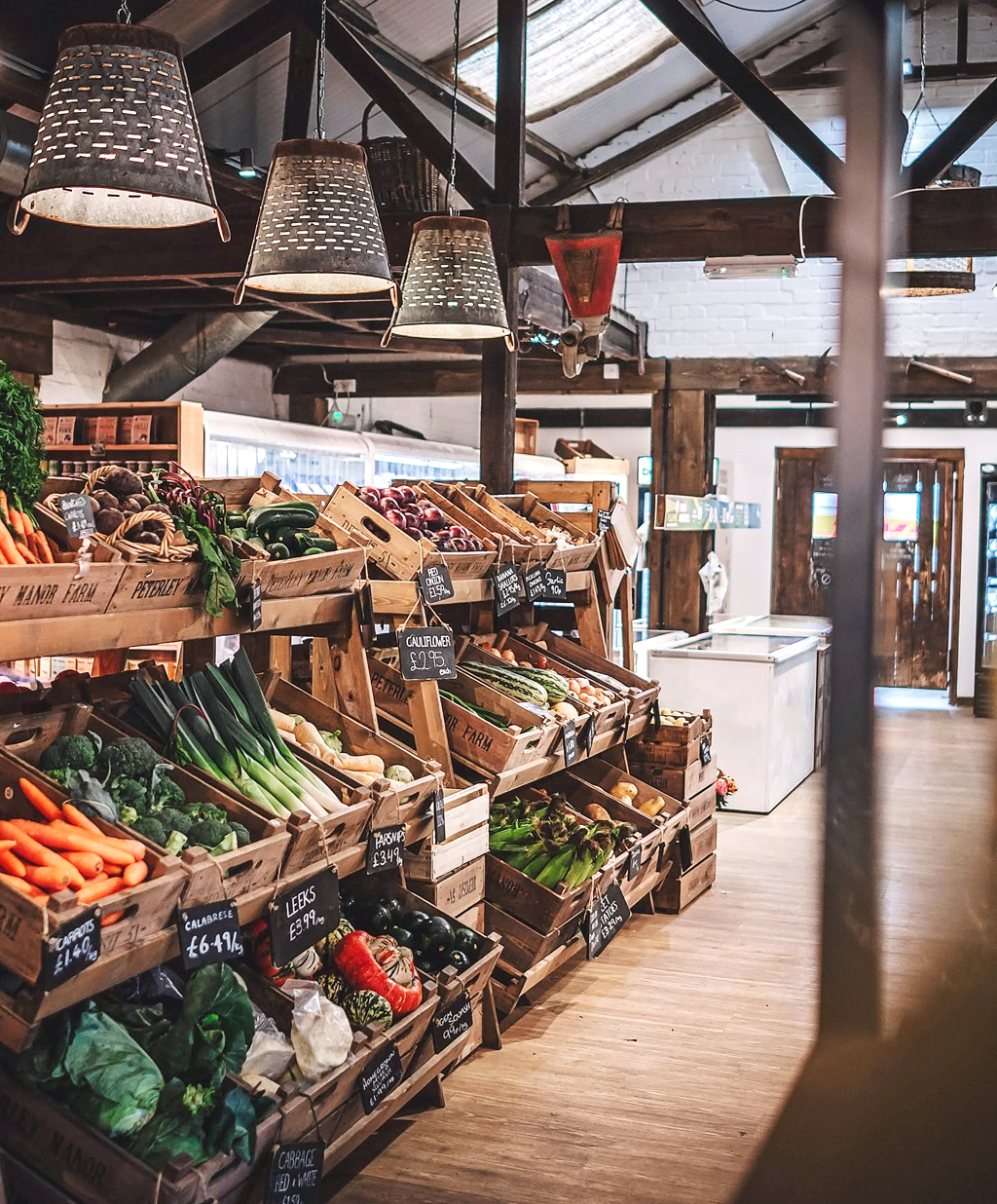
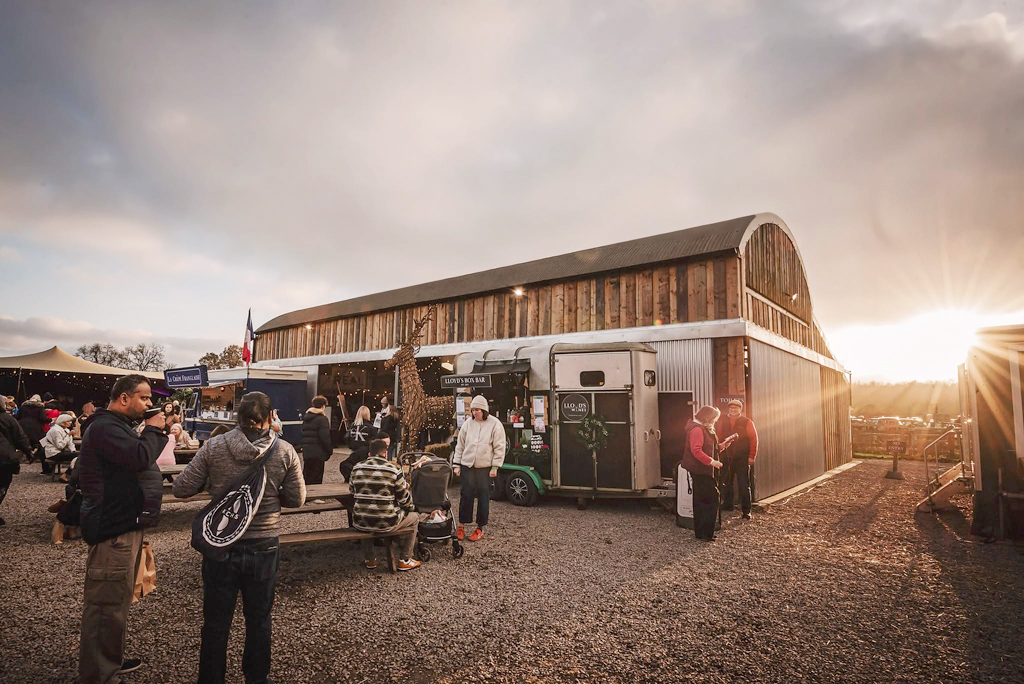
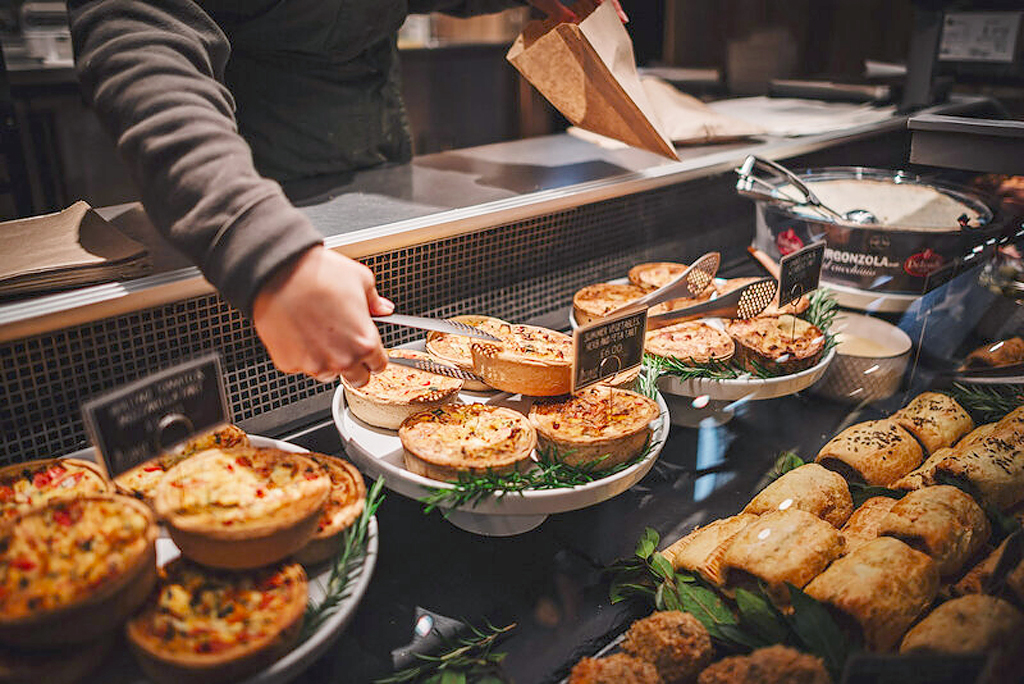
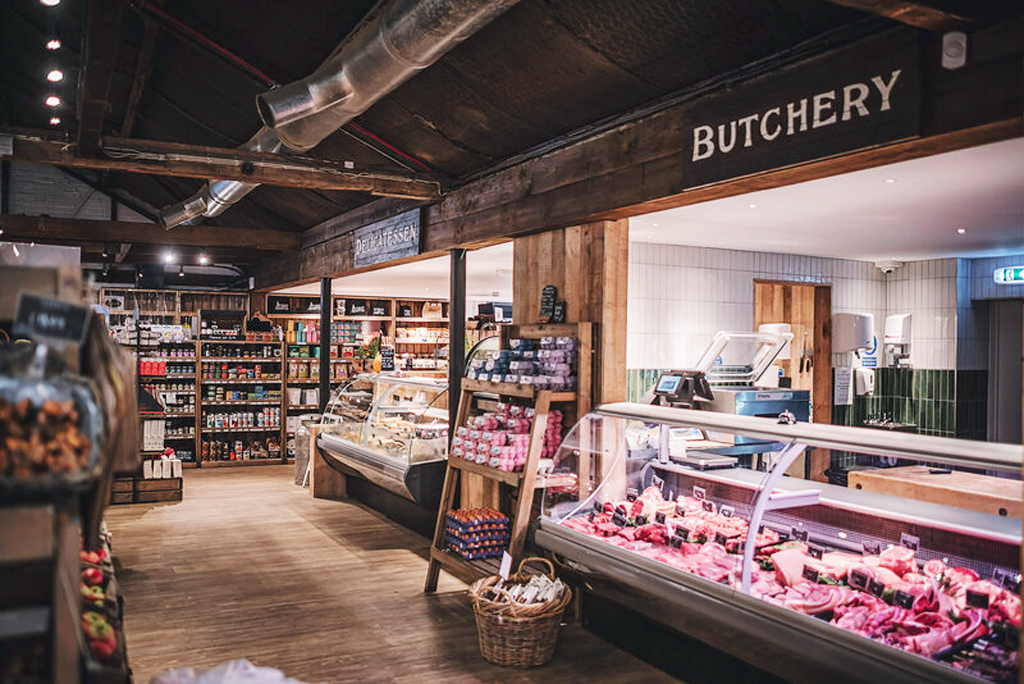
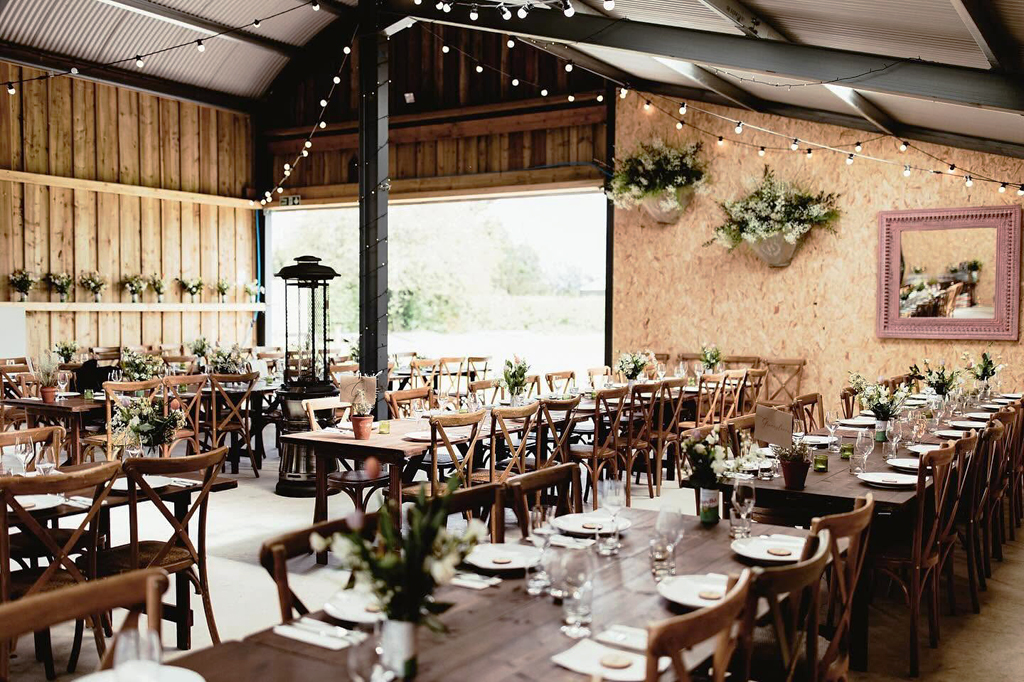
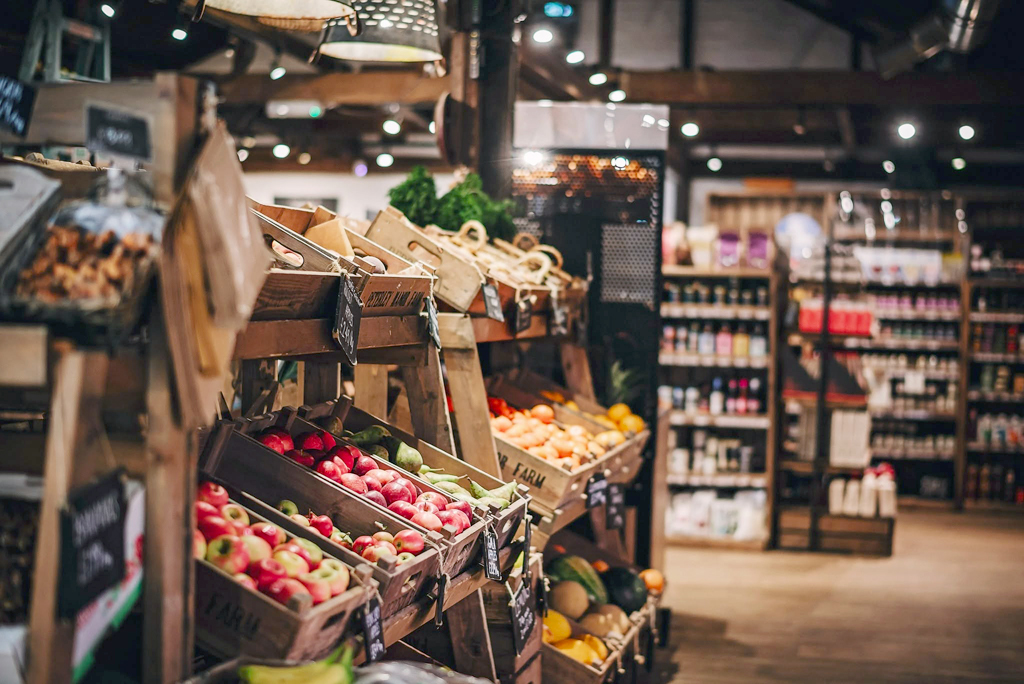
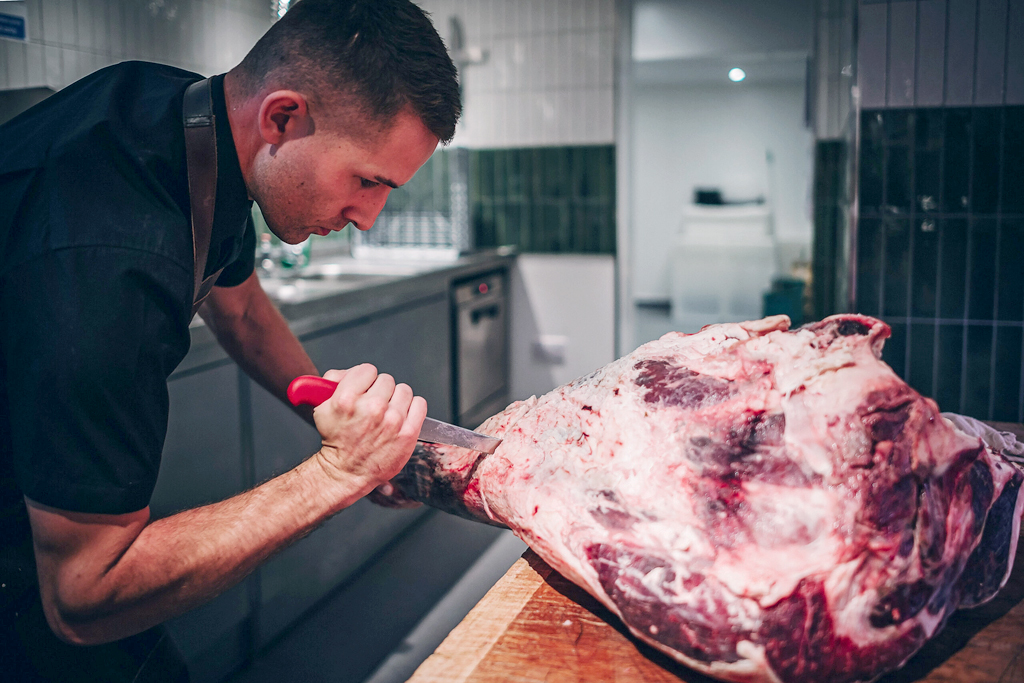
Some come for the farm shop, choosing fresh produce, cheese, butchery, gifts and carefully selected products from trusted suppliers. Others visit The Barn Kitchen for breakfast, lunch, coffee or cake before heading into the shop. Seasonally, families visit for pick-your-own, pumpkins and Christmas trees. Gardeners come for the nursery. Others arrive for events, workshops, wellbeing experiences or simply because Peterley is a lovely place to spend a few hours.
There is a lot to enjoy, and that is what makes this business so popular.
At its heart, Peterley Manor Farm is still very much a farm retailer. Over the years, it has evolved into something with a much broader appeal than that of a traditional farm shop. It brings together retail, hospitality, plants, seasonal events, and experiences in a way that feels complementary and considered to visitors.
People may arrive for one reason, but they often find another reason to stay.
The business’s growth has been built carefully over time. It has strong family-farming roots, and that background still shapes how Peterley presents itself today. There is a clear sense of place. The shop, café, nursery and wider offer all feel connected to the farm rather than added on as separate ideas.
That is why Storefront™ was a perfect fit.
The owners and team did not need technology getting in the way of the experience customers come for. They needed a system that helps keep everything moving behind the scenes. From the shop floor and café through to seasonal ranges, reporting and day-to-day product management.
The Peterley Manor Farm Experience
Produce, people and the spaces that make your visit memorable
Making the Operation Easier to Manage
FRESH FOOD, SCALES, LABELLING, PAYMENTS AND REPORTING
Peterley Manor Farm had outgrown its previous EPOS solution and needed a system that matched the way the business runs today.
The farm shop brings together fresh food, cheese, meat, deli-counter products, ambient goods, seasonal ranges, and items sold by weight. That means there is a lot of detail and information to manage each day.
Prices need to be accurate at the till and on the weighing scales. They need to match. Product information needs to be maintained properly. Labels need to be clear and consistent, especially where ingredients, allergens and fresh food are involved. Staff need to be able to find products quickly and serve customers without second-guessing the system in front of them.
Payments were also important. Peterley were keen to work with DOJO, including Pay-at-Table in the café, because the team already had confidence in the hardware, support, and how it worked for customers.
They also needed the ‘service charge‘ functionality to work properly at the end of a meal, including when bills were split, while still giving customers the choice to remove it.
Reporting was another key part of the brief. The owners wanted to manage the farm shop and café as separate areas, with a clearer view of how each part of the business was performing, while still keeping everything under one overall setup.
So the overall requirement focused on visibility and practicality.
The business needed accurate pricing, connected scales, reliable payments, clear reporting, better stock handling and a smoother checkout experience. Not as separate pieces, but as part of a single retail system that made the business easier to run day to day.
Putting the System to Work
AT THE TILL, AT THE TABLE AND BEHIND THE SCENES
EPOS Cubed installed Storefront™, configured around the needs of both the farm shop and café.
The setup supports a busy mixed retail environment, where fresh food counters, weighed products, hospitality service, stock handling and reporting all now work together in one platform.
The project included:
- Storefront™ EPOS across the farm shop and café.
- Integrated DOJO payments at the tills and Pay-at-Table for the café.
- Service charge functionality for selected tills and tablets.
- The ability to remove the service charge at the time of payment when required.
- Support for split bills, including service charge by cover or by product.
- Integrated weighing scales for fresh food and counter sales.
- Stock handhelds for goods-in and stocktakes.
- Separate branch reporting for the farm shop and café.
- Product and price management across the wider operation.
Together, these gave the business a more practical setup for how the operation actually runs: faster payments, better support for fresh-food counters, clearer reporting, and improved stock handling.
CONFIDENCE
Payments that feel right
Bringing DOJO back into the setup was an important part of the project, particularly for the hospitality team. Payments needed to feel quick and straightforward, whether a customer was paying at the till or settling the bill at the table.
The service charge requirement was also important. EPOS Cubed completed the development needed before go-live, allowing service charge to be applied on selected tills and tablets while still giving customers the option to remove it at payment.

Pricing that's in sync
Storefront™ connects to the on-site weighing scales, ensuring prices stay consistent across counters, scales, and tills.
That matters when the team is serving cheese, meat, deli products and fresh food by weight, where accuracy is essential to a smooth customer experience.

Clearer branch insight
The farm shop and café were set up as separate branches within Storefront™.
That gives the team a clearer view of how each area is performing while still keeping both sides of the business within a single, joined-up system.

Lessons for Other Farm Retailers
Reflections for farm shops and mixed retail businesses considering change
- Mixed retail needs joined-up systems: Farm shops that sell across counters, shelves, scales and hospitality areas need EPOS that can understand and support every part of the operation.
- Fresh food depends on accuracy: Prices, labels, allergens, weighed items, and product information all need to stay consistent across tills, scales, and counters.
- Payments help define the customer experience: Whether customers pay at the till or at the table, the process needs to feel quick, reliable and easy for staff to manage.
- Reporting should reflect the business: Separating areas for analysis (e.g. farm shop and restaurant/café) gives teams a clearer view of performance without losing sight of the wider operation.